> where half now have 2x the latency penalty to the CPU
Are any of the typical uses for those IO lanes latency-sensitive enough for that to matter at all? Consumer-grade networking, SATA storage, and most USB use cases all involve latency high enough that one more PCIe switch wouldn't be noticed.
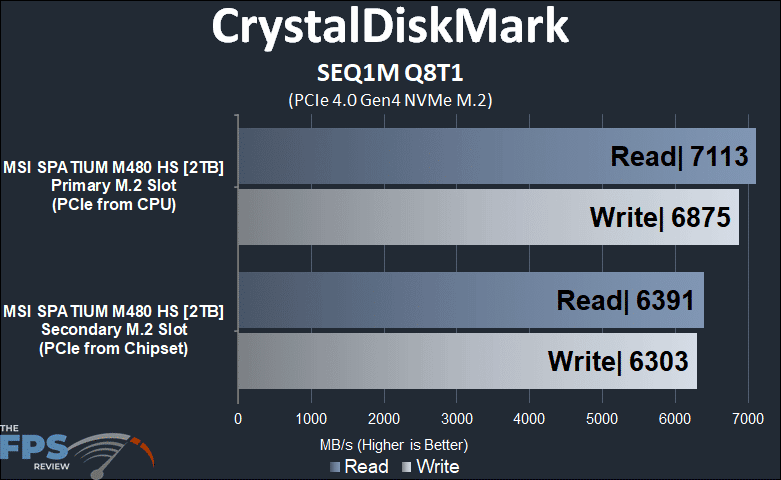
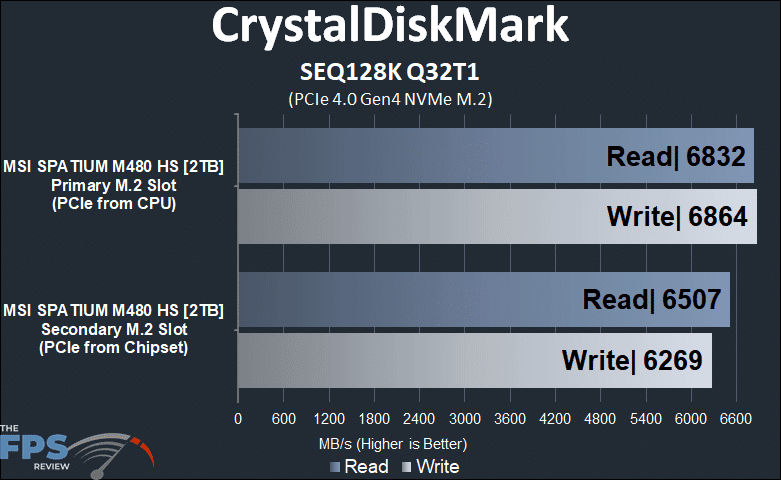
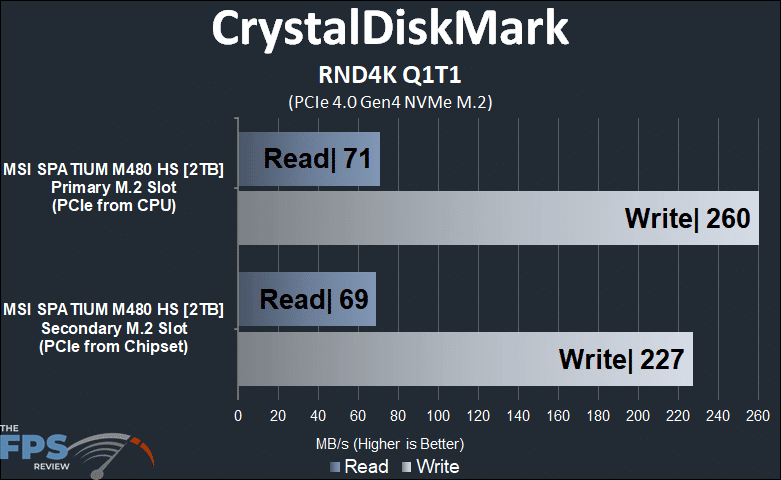
The NVMe off that second slot in particular is what's going to be painful for that market segment. If it weren't the topology that was only used specifically for the high performance market segment I'd say it doesn't matter but I'd be willing to bet most in that segment would actually want that 2nd x4 lane direct to the 1st chipset like last gen, not to the a second chipset just so they can have even more built in USB and SATA ports.
But who knows, maybe "I have a great gaming PC, it's got 25 USB ports!" (yes, that's the actual number) is more marketable than actually tuning for performance.
> The NVMe off that second slot in particular is what's going to be painful for that market segment.
Definitely not. Consumer Optane is dead, so the only devices that will get used in those slots have inherent latencies that are multiple orders of magnitude higher than those typical for a PCIe switch. The extra switch latency gets entirely lost in the noise, which I've observed on multiple occasions while reviewing "NVMe RAID" products.
It should be easily noticeable in benchmarks, after all a even 5% impact can still be called "multiple orders of magnitude" from being comparable to baseline. In double chain I'd be surprised if the impact was any less.
Definitely not expecting end of the world numbers from it but at the same time I doubt many in the high end space are going to look at what that second chipset gives them and say "it's worth adding another PCIe switch in-between my addons for".
Of course you can just use the second x8 worth of bandwidth for drives but I'm not sure that sells having a chained chipset over just adding what you actually want to the first which would now have more open lanes anyways.
I would say what in a typical consumer setting even 2x latency for the NVMe drives wouldn't be noticeable, especially considering there is one directly on the CPU.
Wat. All but the cheapest crappiest mice have been using 1ms polling for the last decade. IIRC USB 3.0 is effectively 8kHz and doesn’t use polling which does make a difference for real-time video (webcam and capture card) latency and lip syncing.
But nobody cares about USB. A lot of applications do 10000 reads from your SSD in series (qd1) and that’s where latency matters. I agree that it should be on the order of 1us. And since most people only have one SSD, chipset latency is not that important.


Are any of the typical uses for those IO lanes latency-sensitive enough for that to matter at all? Consumer-grade networking, SATA storage, and most USB use cases all involve latency high enough that one more PCIe switch wouldn't be noticed.